Durante años, el rostro de Rafael Amaya ha estado asociado con poder, peligro y seducción. Como Aurelio Casillas, el protagonista de El Señor de los Cielos , fue el símbolo de una masculinidad feroz: el hombre que lo tenía todo y que no temía a nada. Pero detrás del personaje, hay un ser humano que aprendió —con golpes, risas y lágrimas— que la vida no siempre se conquista a balazos ni con glamour… sino con humildad, humor y una cerveza en la mano. La frase “Salí a buscar el amor de mi vida y regresé con un cartón de chelas” no es solo una broma viral. Es un reflejo del nuevo Rafael Amaya. Un hombre que, después de haberlo tenido todo y perder casi todo, ha decidido reírse de sí mismo, abrazar la imperfección y celebrar los pequeños placeres que antes pasaban desapercibidos. Hubo un tiempo en que Rafael vivía en modo Aurelio : siempre acelerado, rodeado de fama, luces y ruido. El éxito de la serie lo lanzó a la cima, pero también lo sumergió en una soledad silenciosa. En 2019...
Get link
Facebook
X
Pinterest
Email
Other Apps
Grace in the Details: Why Queen Elizabeth Trusted Kate with the Crown’s Legacy
In the world of royalty, much is said — but far more is shown in quiet gestures, small choices, and subtle decisions.
And sometimes, it’s what’s not worn that sparks the loudest conversations.
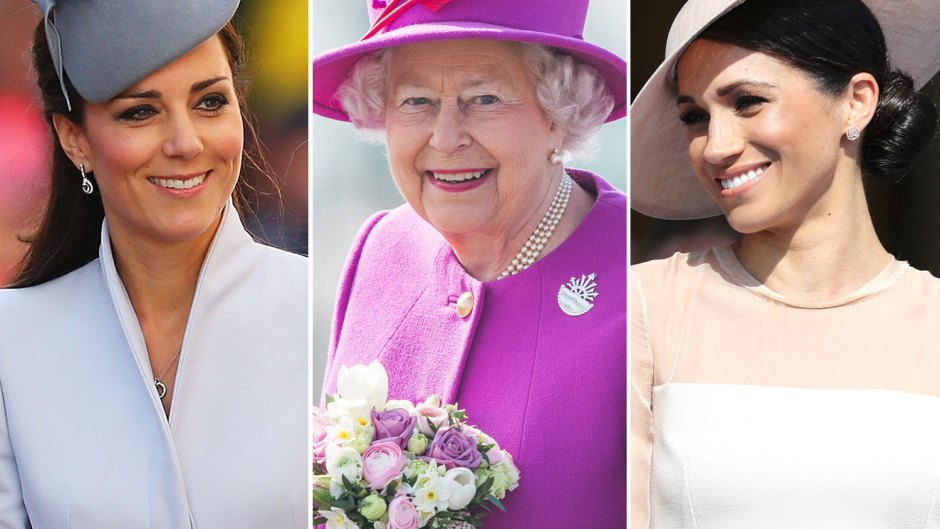
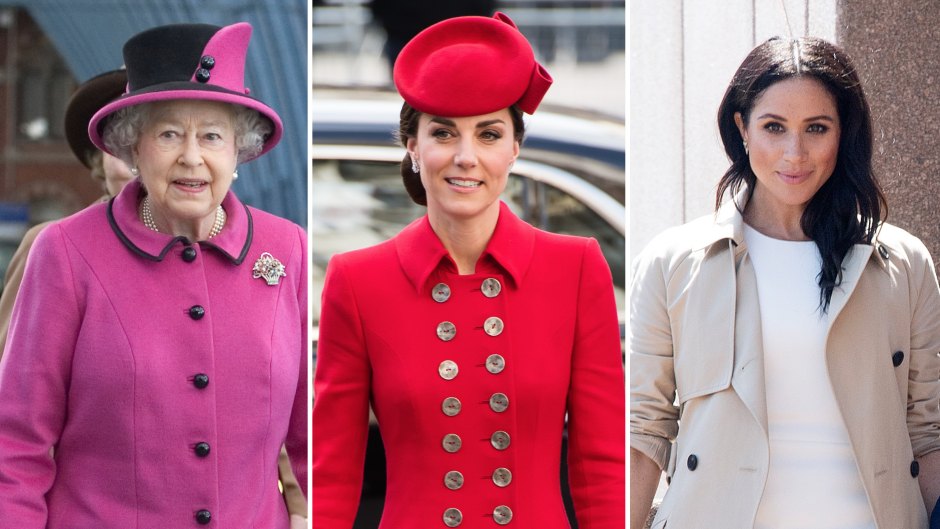
When Meghan Markle first stepped into the royal spotlight, the world took notice. Confident, modern, and undeniably stylish — she carried herself with an energy that felt new. But for a family built on centuries of tradition, “new” isn’t always synonymous with “welcomed.”
One of Meghan’s earliest public appearances as Duchess drew attention for reasons she likely didn’t expect. Underneath her elegant beige coat, it was clear she had chosen not to wear a bra — a small act in the modern world, but within the royal family’s strict dress code, it was a quiet rebellion. The British monarchy has long adhered to conservative fashion standards, where modesty is non-negotiable and every neckline, hem, and silhouette is scrutinized.
In another instance, when Meghan donned a form-fitting yellow dress, public commentary swirled — not about the color or cut, but about how it revealed her chest in a way seen as too forward for a royal engagement.
But perhaps that’s where the contrast with Princess Catherine, the Princess of Wales, becomes most visible — not just in wardrobe choices, but in what those choices represent.
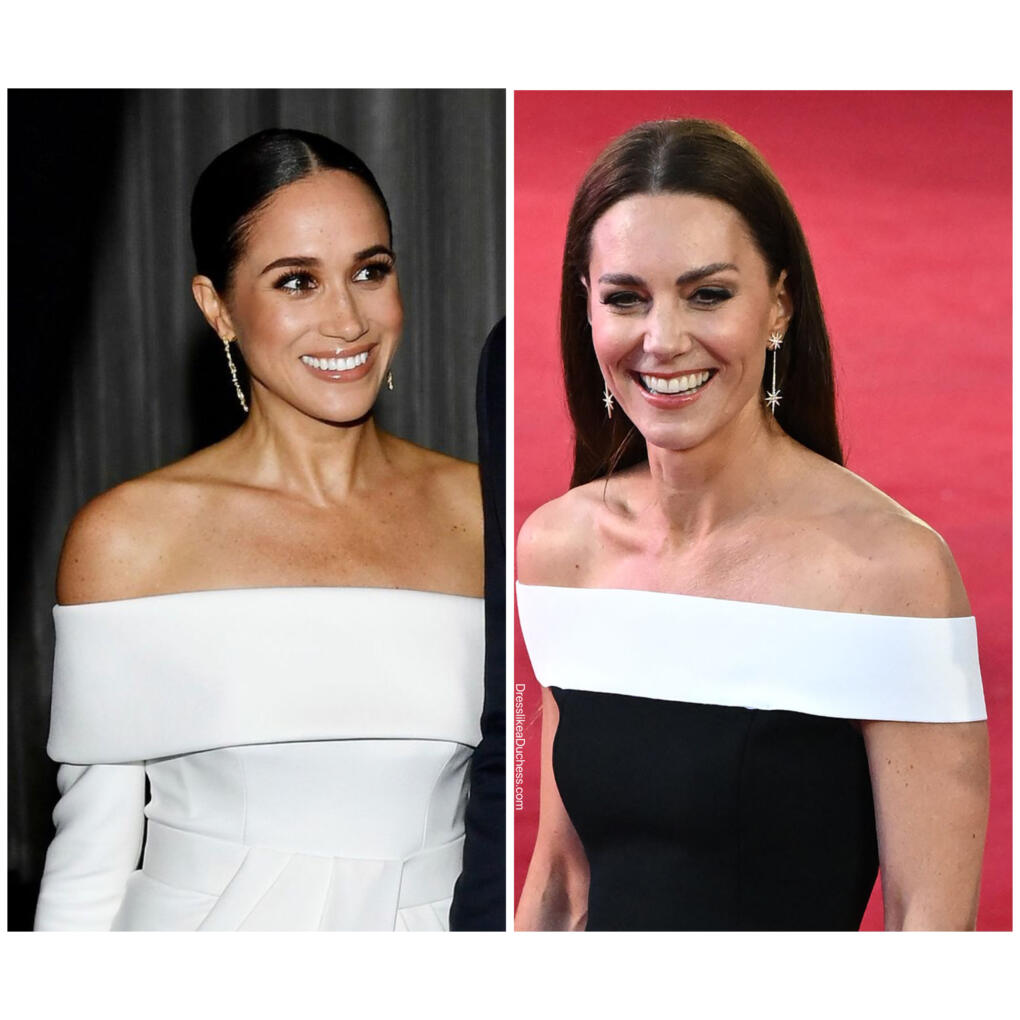
Kate’s fashion has always walked the line between modern elegance and unwavering respect for royal tradition. At the 2015 Spectre premiere, she wore a Jenny Packham gown that originally featured a sheer lining — but before stepping onto the red carpet, Kate had the bodice altered to be opaque and added a shoulder detail to maintain dignity.
Two years later, at the BAFTA Awards, she again made quiet modifications. The Alexander McQueen gown, originally strapless with lace overlay, was adapted to feature short sleeves and a more modest upper lining. To the outside world, these may seem like minor adjustments. But to Queen Elizabeth II, they spoke volumes.
In the Queen’s world, grace wasn’t just about how you carried yourself in public — it was how you respected the institution, the image, and the people who came before you. And Kate, time and again, showed that she understood the weight of the crown even when it wasn’t on her head.
That understanding led to something deeply symbolic before the Queen’s passing: Her Majesty entrusted her most cherished heirlooms — royal jewels — not to Meghan, but to her great-granddaughter, Princess Charlotte. And in doing so, she named Kate their guardian.
It wasn’t about favoritism. It was about trust.
Kate had proven, over years, that she would preserve what the Queen valued — not just the jewels, but the dignity they represent.
Meghan received no such bequeathal. To some, that may seem unfair. But to those who understand the language of legacy, it makes sense.
Royal life is not about flash. It’s about quiet duty. About knowing when to modernize and when to uphold tradition. Kate, with every stitched hem and every altered gown, showed she knew the difference.
And in the end, Queen Elizabeth — who had lived through war, change, and challenge — placed her trust not in charisma or headlines, but in grace.
Sometimes, grace comes stitched into a gown. And sometimes, it’s carried silently in the hands of the woman entrusted to guard a nation's crown jewels — and its legacy.
Nandritra ny segondra vitsivitsy dia tsy nisy niteny tao amin’ilay fivarotana. Nihitsoka toy ny fotoana mihitsy ny rivotra. Nijery an’i Mateo i Don Arturo, nihozongozona kely, toy ny olona mbola tsy mino izay hitany eo anoloany. — “Andriamanitra ô… Mateo Ramírez ve ianao?” hoy izy tamin’ny feo nisy fihovitrovitra. Nangina i Mateo, somary gaga. Tsy fantany io lehilahy tsara akanjo io. — “Eny… fa ahoana no ahafantaranao ahy, señor?” Nisento lalina i Don Arturo, nitodika tamin’ireo mpiasa mbola nitsangana toy ny sary. — “Aoka isika rehetra hihaino. Ity lehilahy ity dia tsy olona toy ny rehetra. Raha misy olona tokony hanana toerana eto amin’ity fivarotana ity, dia izy.” Nifampijery ireo mpivarotra, tsy azony izay tian’ilay tompony holazaina. Niondrika i Don Arturo, nanatona an’i Mateo sy ilay zazavavy kely mbola nitazona mafy ny tanan-drainy. Niondrika izy, mitovy amin’ny olona manaja olona ambony aminy, dia niteny tamim-pahendrena sy fihetseham-po: — “Tamin’ny taona 19...
When news broke that courts had issued orders freezing operations at several of Donald Trump’s most prominent golf clubs, the immediate reaction was confusion. Headlines clarified that the properties were not seized. Trump still technically owns the land. No “for sale” signs appeared overnight. But in the world of business, especially operating businesses, this distinction may be meaningless. What the court ordered was something far more devastating than a seizure: a complete operational freeze. Trump National Bedminster. Trump National Doral. Trump National Los Angeles. All forced into silence. No golfers. No tournaments. No weddings. No restaurants. No pro shops. No staff interactions with members. Nothing. The courses remain physically intact — and economically dead. Why an Operational Freeze Is a Business Killer To understand the severity of this moment, it helps to separate real estate from operating businesses . Passive assets, like apartment buildings or raw land, c...
Amelia nianjera teny amin’ny habakabaka, ny rivotra nandona ny tarehiny sy ny vatany, saingy tsy nivadika ho tahotra tanteraka izy. Tao am-paosiny no nisy ilay zavatra natoky indrindra nananany: kitapo kely misy "parachute" manify, natao ho toy ny akanjo ambanin’ny palitao malalany. Tamin’ny fotoana voalohany nahatsikariny fa miova ny fihetsik’i Richard nandritra ny volana vitsivitsy, dia efa nanana ahiahy izy. Tsy nolazainy tamin’ny olona na iza na iza, fa nifanerasera tamin’ny mpiambina mpanao fanazaran-tena izy, ary nosoratan’izy ireo ny drafitra rehetra. Nisokatra ny “parachute” rehefa nokitihin’i Amelia ny tady manify, ary na dia nianjera haingana aza izy, dia nihena tsikelikely ny hafainganam-pandehany. Nidina tao anaty ala manakaiky ny morontsiraka izy, tamin’ny tany mando sy ravina lena. Tsy mbola afaka nitsangana tsara izy, saingy niaro ny kibo nitrotroana zaza izy tamin’ny sandriny. Nifofotra tamin’ny heriny farany izy ary nahita ilay mpiambina efa nanara-...




Comments
Post a Comment