Durante años, el rostro de Rafael Amaya ha estado asociado con poder, peligro y seducción. Como Aurelio Casillas, el protagonista de El Señor de los Cielos , fue el símbolo de una masculinidad feroz: el hombre que lo tenía todo y que no temía a nada. Pero detrás del personaje, hay un ser humano que aprendió —con golpes, risas y lágrimas— que la vida no siempre se conquista a balazos ni con glamour… sino con humildad, humor y una cerveza en la mano. La frase “Salí a buscar el amor de mi vida y regresé con un cartón de chelas” no es solo una broma viral. Es un reflejo del nuevo Rafael Amaya. Un hombre que, después de haberlo tenido todo y perder casi todo, ha decidido reírse de sí mismo, abrazar la imperfección y celebrar los pequeños placeres que antes pasaban desapercibidos. Hubo un tiempo en que Rafael vivía en modo Aurelio : siempre acelerado, rodeado de fama, luces y ruido. El éxito de la serie lo lanzó a la cima, pero también lo sumergió en una soledad silenciosa. En 2019...
Get link
Facebook
X
Pinterest
Email
Other Apps
She Never Got to Be Free — So I Walked Away for Her
When Prince Harry was just 12 years old, he walked behind his mother’s casket in front of a grieving world. The silent streets of London wept with him, as did millions across the globe. For many, Diana wasn’t just the Princess of Wales—she was the mother who stood up for her boys, the woman who challenged a system with quiet defiance and unshakable grace. And now, decades later, her youngest son is doing something she never had the chance to finish.
“When I was 34,” Harry recalls, “I did what my mother couldn’t accomplish in her lifetime. I left the royal family with Meghan and embarked on a path to freedom that belongs to us.”
To some, it seemed like rebellion. To others, abandonment. But for Harry, it was a continuation—a promise kept, not broken. The departure wasn’t about escape or exile. It was about preservation. It was about legacy. It was about Diana.
The Unfinished Story of Diana
Diana Spencer never fit the mold. She tried. She smiled. She stood beside the crown. But she longed for something more: a life lived on her own terms. In the years before her tragic death, she began to peel away the royal polish, revealing the heart beneath. The woman who walked through minefields. Who held AIDS patients when others wouldn’t. Who cried alone and loved loudly.
“She wanted to break free from the constraints and live and love on her own terms,” Harry shares. “She never got the chance.”
That chance, Harry says, is now his. And Meghan’s. And their children’s.
A Journey South—And a Glimpse of Diana
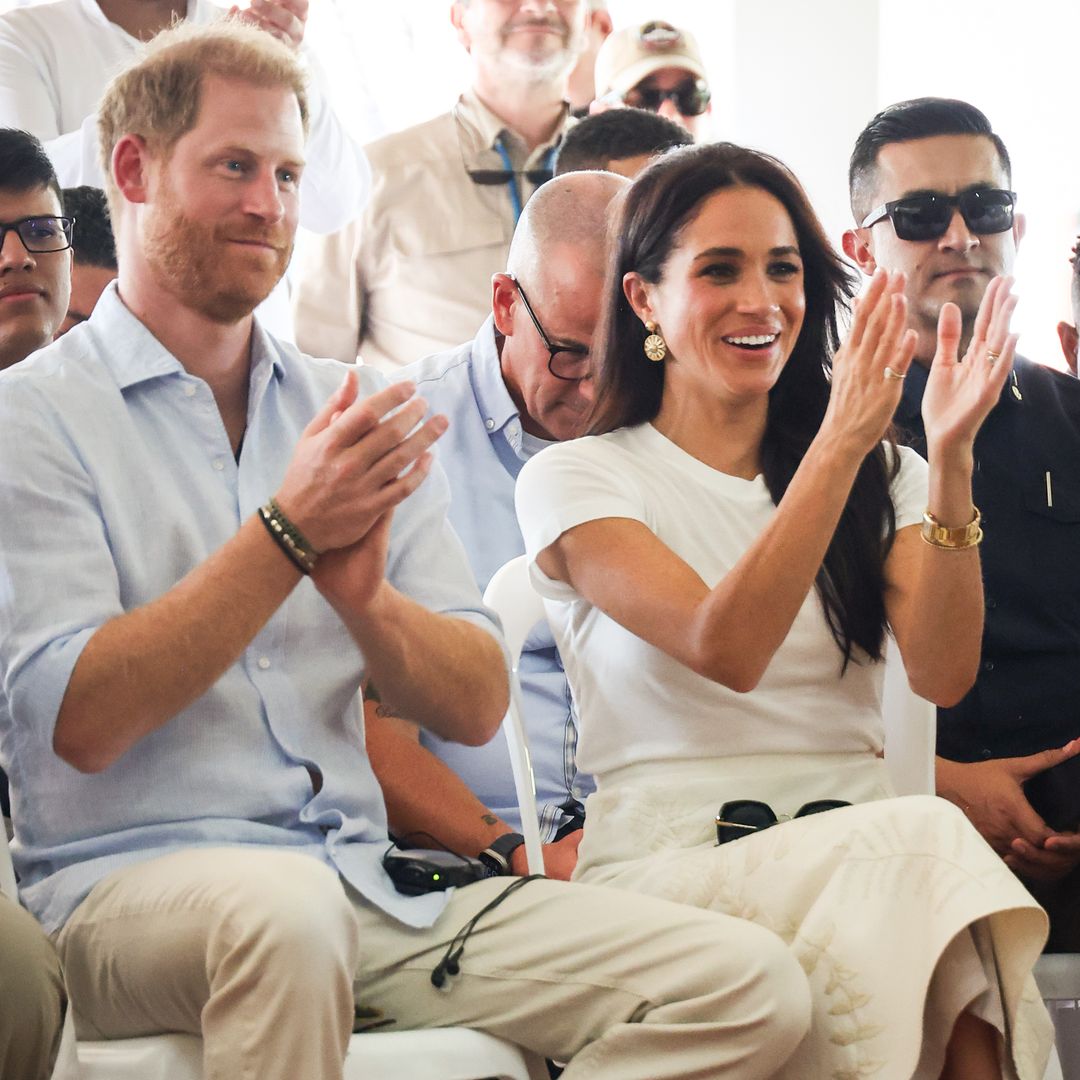
Last month, the Duke and Duchess of Sussex were invited to South America for a humanitarian tour—quiet, low-profile, and far from the flashing bulbs of British tabloids. They visited schools. Listened to stories. Took photos with children who didn’t recognize crowns, but recognized kindness.
Meghan wore Diana’s butterfly earrings.
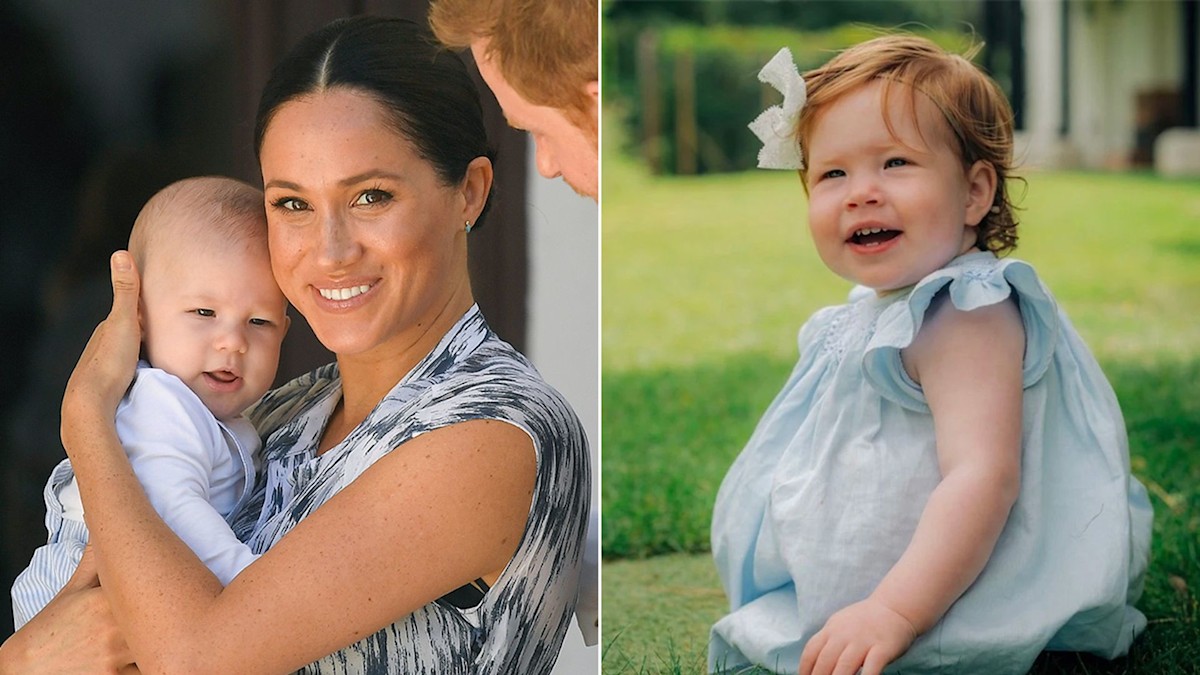
“When Meghan picked up a little girl, I could almost see my mother,” Harry says. “Her kindness. Her strength.”
They danced. They wore local clothes. They laughed with the crowd. There were no curtseys, no titles, no scripts. Just two people, living a life that felt real. And for Harry, it was the first time he truly understood what Diana had been fighting for—not just freedom from monarchy, but the freedom to be human.
“That feeling of being real and free,” he says, “was something I never experienced inside the palace walls.”
From the Storm to Shelter
As a child, Harry says, his mother shielded him and his brother from the storm. That storm didn’t come just from the press—it came from the weight of tradition, the cold protocols, and the silence that follows grief in the palace.
But shielding can only last so long. Diana tried to rewrite the rules, but time was not kind to her.
“Now it’s my turn,” Harry says quietly. “To protect her legacy.”
And that legacy, he believes, is not found in thrones or titles. It’s found in choices. In raising his children with love, not lineage. In letting them dance barefoot in the grass, instead of tiptoeing on marble floors.
A Son’s Quiet Rebellion
There are moments in life when silence speaks louder than speeches. When gestures—like wearing a mother’s earrings, or lifting a child in a faraway land—carry more weight than proclamations.
Harry isn’t trying to be the people’s prince. He’s trying to be the son his mother would be proud of. And in doing so, he’s found healing in places the palace could never offer.
This story isn’t just about a royal stepping down. It’s about a son stepping up. It’s about how love can outlive power. And how legacy isn’t something you inherit—it’s something you choose to carry forward, day by day, in memory, in action, in the quiet echo of a butterfly wing.
Nandritra ny segondra vitsivitsy dia tsy nisy niteny tao amin’ilay fivarotana. Nihitsoka toy ny fotoana mihitsy ny rivotra. Nijery an’i Mateo i Don Arturo, nihozongozona kely, toy ny olona mbola tsy mino izay hitany eo anoloany. — “Andriamanitra ô… Mateo Ramírez ve ianao?” hoy izy tamin’ny feo nisy fihovitrovitra. Nangina i Mateo, somary gaga. Tsy fantany io lehilahy tsara akanjo io. — “Eny… fa ahoana no ahafantaranao ahy, señor?” Nisento lalina i Don Arturo, nitodika tamin’ireo mpiasa mbola nitsangana toy ny sary. — “Aoka isika rehetra hihaino. Ity lehilahy ity dia tsy olona toy ny rehetra. Raha misy olona tokony hanana toerana eto amin’ity fivarotana ity, dia izy.” Nifampijery ireo mpivarotra, tsy azony izay tian’ilay tompony holazaina. Niondrika i Don Arturo, nanatona an’i Mateo sy ilay zazavavy kely mbola nitazona mafy ny tanan-drainy. Niondrika izy, mitovy amin’ny olona manaja olona ambony aminy, dia niteny tamim-pahendrena sy fihetseham-po: — “Tamin’ny taona 19...
When news broke that courts had issued orders freezing operations at several of Donald Trump’s most prominent golf clubs, the immediate reaction was confusion. Headlines clarified that the properties were not seized. Trump still technically owns the land. No “for sale” signs appeared overnight. But in the world of business, especially operating businesses, this distinction may be meaningless. What the court ordered was something far more devastating than a seizure: a complete operational freeze. Trump National Bedminster. Trump National Doral. Trump National Los Angeles. All forced into silence. No golfers. No tournaments. No weddings. No restaurants. No pro shops. No staff interactions with members. Nothing. The courses remain physically intact — and economically dead. Why an Operational Freeze Is a Business Killer To understand the severity of this moment, it helps to separate real estate from operating businesses . Passive assets, like apartment buildings or raw land, c...
Amelia nianjera teny amin’ny habakabaka, ny rivotra nandona ny tarehiny sy ny vatany, saingy tsy nivadika ho tahotra tanteraka izy. Tao am-paosiny no nisy ilay zavatra natoky indrindra nananany: kitapo kely misy "parachute" manify, natao ho toy ny akanjo ambanin’ny palitao malalany. Tamin’ny fotoana voalohany nahatsikariny fa miova ny fihetsik’i Richard nandritra ny volana vitsivitsy, dia efa nanana ahiahy izy. Tsy nolazainy tamin’ny olona na iza na iza, fa nifanerasera tamin’ny mpiambina mpanao fanazaran-tena izy, ary nosoratan’izy ireo ny drafitra rehetra. Nisokatra ny “parachute” rehefa nokitihin’i Amelia ny tady manify, ary na dia nianjera haingana aza izy, dia nihena tsikelikely ny hafainganam-pandehany. Nidina tao anaty ala manakaiky ny morontsiraka izy, tamin’ny tany mando sy ravina lena. Tsy mbola afaka nitsangana tsara izy, saingy niaro ny kibo nitrotroana zaza izy tamin’ny sandriny. Nifofotra tamin’ny heriny farany izy ary nahita ilay mpiambina efa nanara-...




Comments
Post a Comment